
Tarot for Enneagram 1. The cards that represent the Perfectionist at their Core and Under Stress, and a spread to work through their motivations, celebrations, and values.
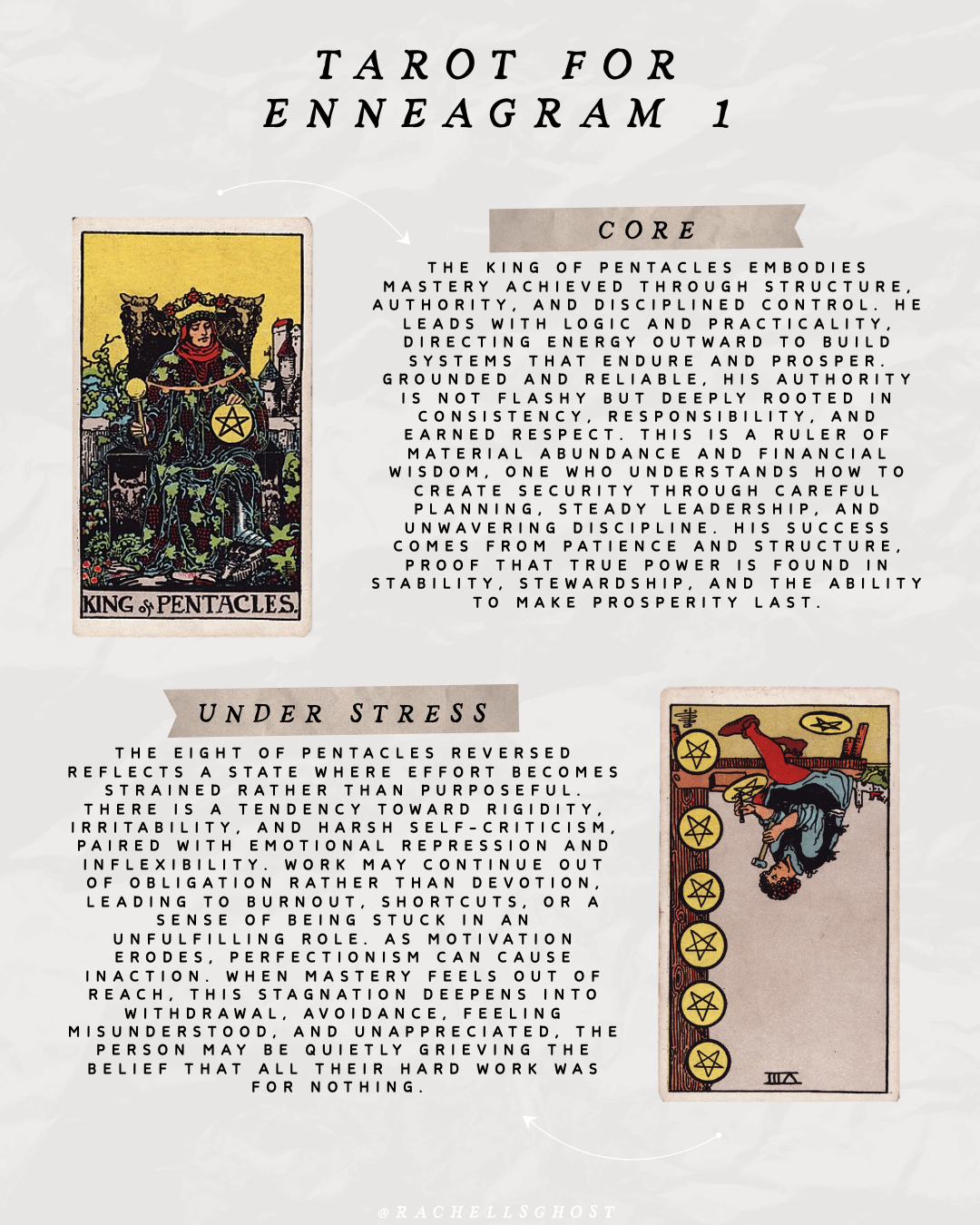
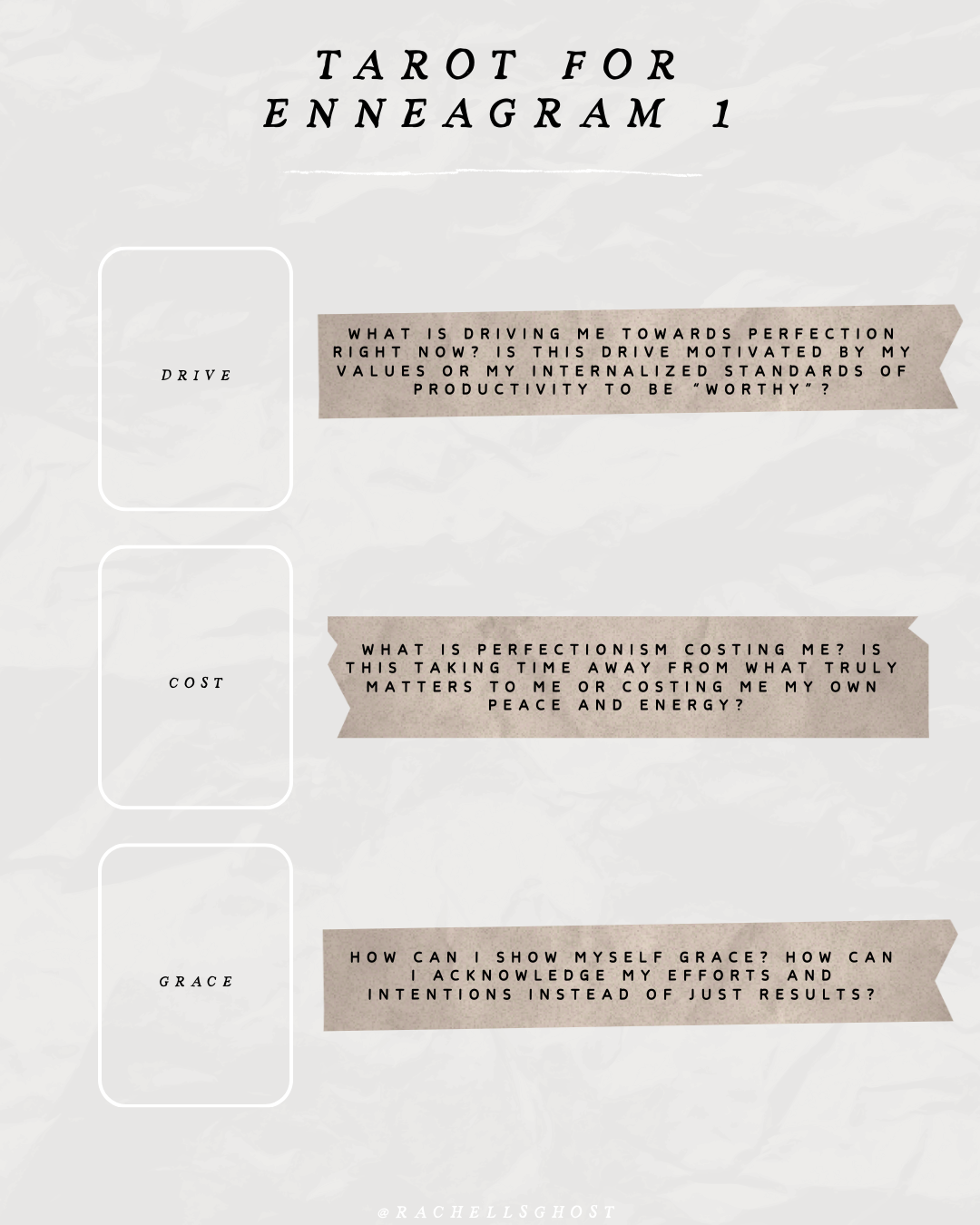
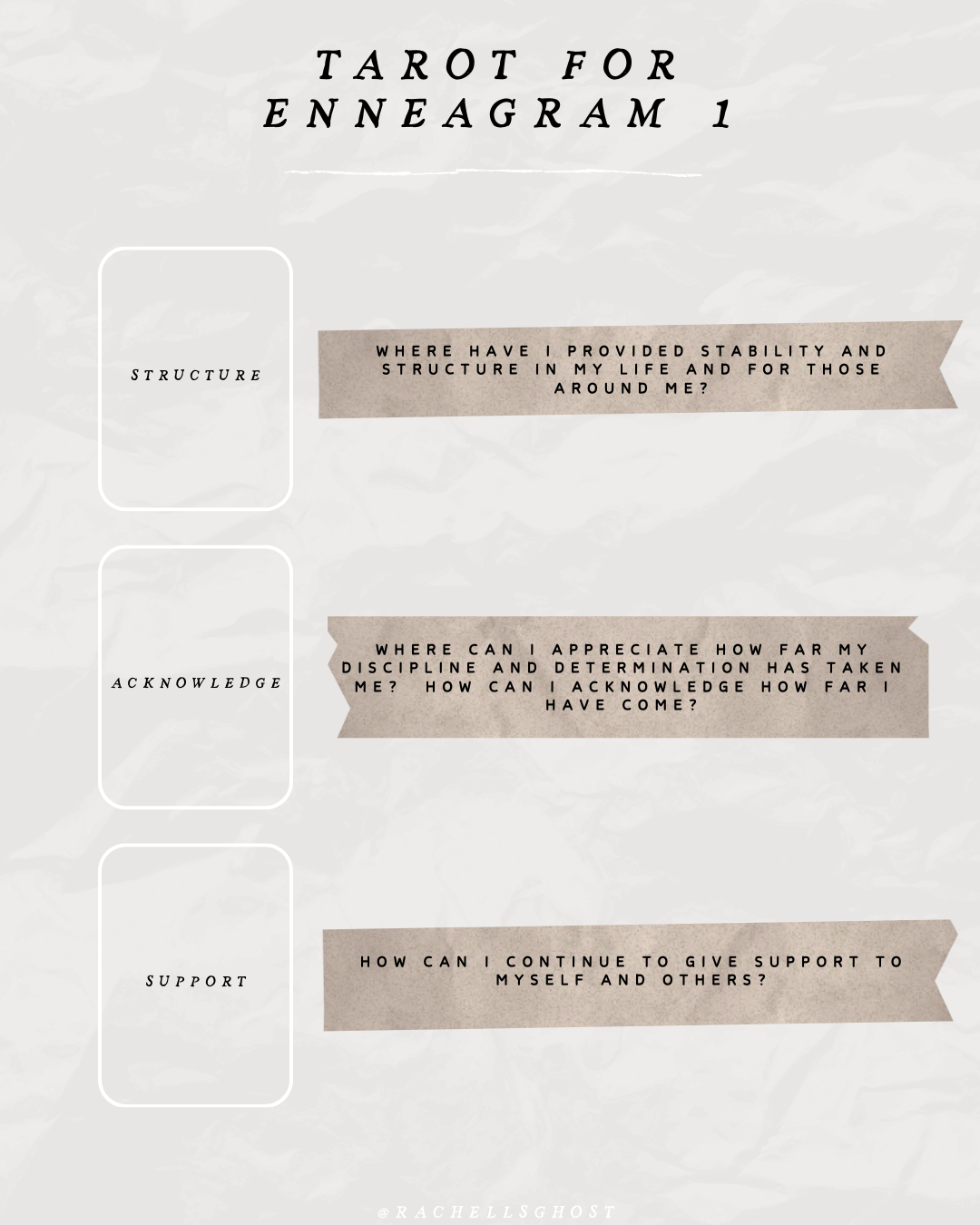
Tarot for Enneagram 1. The cards that represent the Perfectionist at their Core and Under Stress, and a spread to work through their motivations, celebrations, and values.
A trip out to Mad Hatter’s Haunt earned me these beautiful pieces from Teaching Lizards Jewelry.
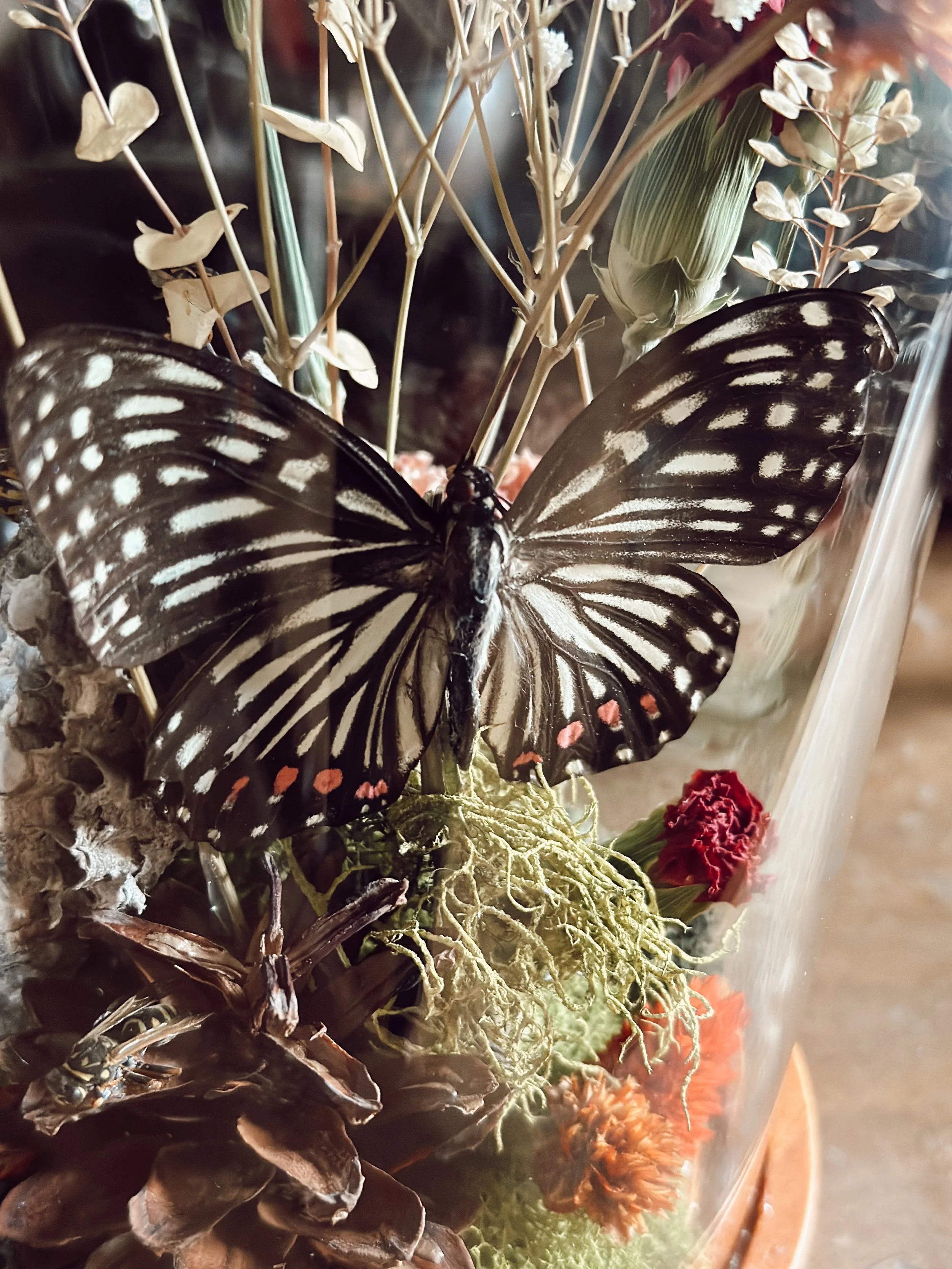

Born in 1640, France, as Catherine Deshayes. Later Catherine would claim she learned fortune-telling at the age of 9, and her ability to divine the future was a God given gift. Her early years remain a mystery, her story beginning when she was married to Antonine Monvoisin, a silk merchant and jeweler in Paris. She would go on to have three children with him, bringing the household up to six, including her mother.
When Antonine’s business began to fail, falling into bankruptcy, Catherine stepped up to do what she could to provide for her family, using her previous skills and interests to offer services to the public: midwifing, including prenatal care, birthing, and abortions (illegal at the time, but even still in high demand), and fortune telling via chiromancy (palmistry) and physiognomy (face-reading).
In the late 1660’s, now going by just La Voisin, she had become a wealthy and famous fortune teller, serving the highest aristocracy of France, with divination, magical trinkets and potions, and black masses. Receiving her clients at her residence in Villeneuve-sur-Gravois, her personal life outside of work was filled with social parties, being Godmother to noblewomen’s babies, and having numerous love affairs, including an executioner Andre Guillaume, and a magician Adam Lesage. She was also highly fascinated by alchemy and science (which would later serve her well), and played violin.
While the fortune telling business was doing well (she was even called into question by the Congregation of the Mission at the Saint Vincent de Paul’s order, and was able to successfully defend herself), La Voisin took matters into her own hands when she saw an opportunity. As many of her clients were requesting their futures be read in hopes of family members or spouses passing away, the magical potions she would often sell for beauty and love turned to poison so some could make their darker wishes come true.
La Voisin was not alone in this, there was a considerable amount of fortune-tellers and mystics in Paris doing much the same, perfected years before by Giulia Tofana with her ‘Aqua Tofana’ in Italy. In fact she had a rival fortune-telling poisoner within Paris, Marie Bosse, who would later contribute to each other's demises.
The client that would eventually force La Voisin’s career down a path to its early end was Madame de Montespan, the official royal mistress to King Louis XIV. It is said she hired La Voisin before this official title to earn the affection of the King, and after, Montespan continued to turn to La Voisin whenever she needed her. She would often get further divination and aphrodisiacs to support the King’s interests in her. Though eventually his focus switched to a new mistress, Angélique de Fontanges. Montespan once again turned to her trusted mystic, this time for poison to kill the King and his new lover.
While the attempt to do so failed, and the evidence of it burned, it would seem La Voisin was in the clear. But the current atmosphere of Paris was one of fear and shock. Later known as *The Affair of the Poisons* (an ordinance spurred by Madame de Brinvilliers’ recent trial, which uncovered a web of poisonous scandals), King Louis XIV had put together a tribunal known as Chambre Ardente to root out the underground poisoning ring.
Other arrests of psychics and fortune tellers during the time, including Magdelaine d La Grange, Marie Bosse, and Marie Vigoreaux led to confessions outing the network that had been created, and La Voisin’s many second-handed murders within it.
La Voisin was arrested on March 12 1679, and later so was her daughter Marguerite Monvoisin, both being imprisoned at Vincennes, and subjected to questioning. While the formal order of permitting torture was issued, it was never used, for fear of names among the aristocracy and royalty would be among her clientele. While many of her clientele remained either unnamed or unconfirmed (until after her death), she did admit to selling magical services and poisons to members of the royal court.
On February 22 1680, at age 39, La Voisin was burned at the stake for witchcraft in public on the Place de Grève, in Paris.
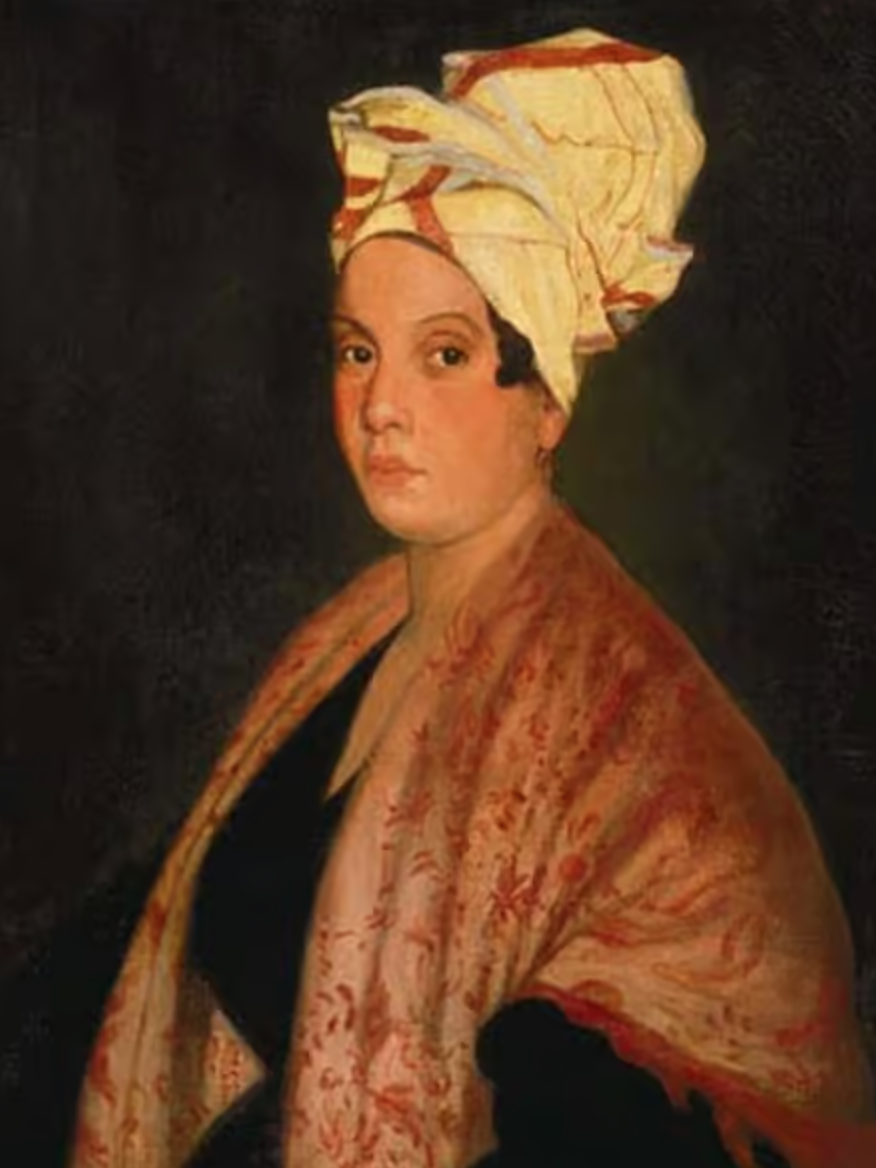
*There are no photos of Marie Laveau and on record she has never sat for a painting. This portrait is assumed to be her, labeled as much by the Louisiana State Museum, though in reality it is titled Portrait of a Creole Woman with Madras Tignon, painted by George Catlin in 1837.
*It is important to note that there are many conflicting reports about the details surrounding Marie Laveau’s life and legacy. Collected here are the most commonly repeated “facts” as they are presented from various sources.
Born Marie Catherine Laveau, a free woman of color, on September 10th 1801*, in New Orleans, to Marguerite D’Arcantel and Charles Laveaux. Her maternal family ties were historically rich in African spirituality. Her grandmother Catherine was taken from Africa when she was only seven years old, eventually buying her freedom and her own home, going on to have five children of her own, including Marguerite. It is said, while Marguerite was in an arranged marriage by the age of 18 to a wealthy plantation owner, her unexpected pregnancy with Marie came during an affair with Charles Laveaux. The child was given to Catherine to be raised while Marguerite returned to her husband. Details on how the affair ended are not listed.
Baptized in the St. Louis Cathedral (where she would also later be married), Marie grew up in a nuanced historical moment of Louisiana history, with cultures and viewpoints blending among the white and black communities.
*The exact date of her birth is unknown, but it is believed to be September 10th, as her baptism records share a date close to this and these were typically done within 10 days of the birth of a child.
On August 5th, 1819, she married Jacques Santiago Paris, a refugee from the Haitian Revolution in Saint-Domingue (now Haiti) in St. Louis Cathedral, and the couple go on to have two children together: Félicité in 1817 and Angèle in 1820. (Their marriage certificate is still preserved to this day on site.) Paris was a cabinet maker and carpenter. In 1820, Rumors say that Jacques went missing and was later found dead just a year after their marriage, and records of the children also disappear after this year. While mysterious, it was not uncommon for death certificates to be lost at this time. It’s likely all three of Marie’s family members passed under mundane circumstances.
In 1825, she would meet and enter into a domestic partnership (as interracial marriages were illegal) with Jean Louis Christophe Dominick Duminy de Glapion, a white French nobleman, until his own death in 1855. The relationship challenged the views of blended marriages at the time, but the couple went on to have 15 children.* Only two would live to adulthood Marie Eucharist Eloise Laveau (1827 - 1862), and Marie Philomène Glapion (1836-1897). It is believed the many deaths were tied to the outbreaks of Yellow Fever, a common plague in New Orleans at the time that Marie is known to have aided the public for with her medicinal knowledge.
* This number is disputed as either a mix of children and grandchildren, or possibly adopted children, which would not be hard to believe given Marie’s hospitality and charity work.
Within her life, Marie would be known and admired by both the black and white communities for a great number of acts and services, including public charity work, nursing, teaching (especially women), visiting of prisoners to serve their last meals and pray (and sometimes even acquiring appeals to their sentencing), but most of all her name is synonymous with “Voodoo Queen”. A prominent religious leader of Vodou, healer, herbalist, and community activist, Marie was a beloved “mother” figure within the city to many people for several decades. People sought her advice for all manner of personal, medical, financial, religious, and even judicial affairs.
Vodou or “Voodoo” is a religion based on spiritual practices originating in Dahomey, a west African Kingdom (now Benin). Brought to America during the transatlantic slave trade, by the free and enslaved African people, Vodou in its most basic explanation (as it’s layered with history and pietistic significance) is a religious practice of honoring and worshipping spirits and ancestors, believed to live in the land of Ginen, with methods of veneration and healing including root work, gris-gris or ju-ju by spiritualists, conjurers, or Priest/Priestesses. Though it shares a name, it should be noted the American version of Voodoo differs from its original in African and the religious system in Haiti.
Coming under the tutelage of Dr. John Bayou, a well known and respected black Senegalese conjurer or root worker, who introduced her to the Vodoun community, she became the third female leader of Vodou in New Orleans after Sanité Dédé and her usurper Marie Saloppé, who would go on to teach Laveau the intricacies of the religion.
Laveau would perform her religious services in three known locations.
In her home located on 1020 St. Ann St, New Orleans, Louisiana 70130, she would consult clients and is also said to have held ceremonies in her backyard where she conjured the spirit of the Great Zombi (the deity Damballah Wedo), as it manifested through a snake.
In Congo Square, a space that was set aside by city officials as a gathering space for both enslaved and free African people, Sundays were a place of dance, worship, and spiritual rejuvenation.
Bayou St. John’s, on the shore of Lake Pontchartrain was likely the least often but most significant space to be used, where Laveau and other practitioners would congregate for large mass ritual and worship. It is said that activities such as Singing, dancing, drumming and spirit possession were prominent events, though history would often sensationalize these details, similar practices are still popular today.
Though there are no records of it ever listed as her occupation, it is believed that Marie also owned a salon, an entrepreneurial endeavor to help financially secure her large family and her philanthropic endeavors. She served the wealthy nobles and their servants with the added benefit of overhearing gossip. It’s said she would use these slyly earned details to bolster her reputation as a clairvoyant, and aid in consultations over domestic disputes.
Laveau would reign as “Vodou Queen” unchallenged until 1850, when a Creole woman named Rosalie attempted to challenge her. In an attempt to scare and threaten Laveau, Rosalie placed a life-sized wooden doll in her yard, covered in intricate carvings and beads. The effect worked for some time, deterring Laveau’s supporters until Marie removed it. It is said that Rosalie took Laveau to court over it, but Laveau had many allies and even clients within the judicial system, and used her influence to have it permanently removed.
In her later years, Marie practiced Vodou less and less and turned back heavily on her Catholic upbringing, attending mass daily. On June 17th, 1881 The Daily Picayune announced Laveau’s death on June 15th, just two days before. She died Marie Catherine Laveau Paris Glapion, of natural causes at the supposed age of 79. She is buried in plot 347, the Glapion family crypt in Saint Louis Cemetery No. 1, in New Orleans.

"A Woman with a Wonderful History, Almost a Century Old, Carried to the Tomb Yesterday Evening"
“Those who have passed by the quaint old house on St. Ann, between Rampart and Burgundy streets with the high, frail looking fence in front over which a tree or two is visible, have noticed through the open gateway a decrepit old lady with snow white hair, and a smile of peace and contentment lighting up her golden features. For a few years past, she has been missed from her accustomed place. The feeble old lady, lays upon her bed with her daughter and grandchildren around her ministering to her wants.”
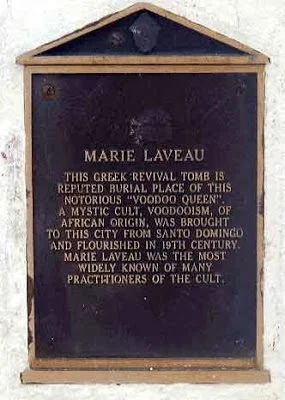
Today, visits to her tomb can only be reached by tour after years of vandalization. Though tourists continue to draw X’s on the walls of her crypt in a decades-old tradition. It’s said if you draw three X’s, turn around three times, and shout out your wish, her spirit would grant it. Though this had to be followed up by returning, circling your original set of X’s and leaving an acceptable offering for her generosity.
Earliest references to Tarot in Italy, as a card game with Cups, Swords, Batons, and Coins, also including the 21 trump or “tarocchi” cards and the Fool, aka the wild card or what is today known as a Joker card.
After the game migrated to France (likely during the Italian Wars 1494 -1559), they were eventually given further depth and significance via the revived Egyptian and ancient Hermetic philosophies by French Occultists.
In 1781 Antoine Court de Gébelin (1725 - 1784), a French clergyman, released a dissertation on what he believed to be the origins of the tarot imagery, relating the art to ancient Egyptian Theology. In his work, Gébelin claimed the name Tarot came from the Egyptian words Tar for “road” and Ro or Ros meaning “Royal”, and gave his translation to mean literally “Royal Road of Life”. Among his claims were that the 22 Trump Cards matched to the 22 letters in the Hebrew alphabet, so the origins also had ties to the Jewish Kabbalah, and that the cards made their way to Rome, being used in secret by the Popes, where eventually they made their way to France, when the papacy was based in Avignon during the 14th century. Subsequent research by Egyptologists disproved Gébelin’s claims, but Tarot’s link to Egyptian origins persisted and continues in present day.
Jean-Baptiste Alliette, aka “Etteilla” (1738 - 1791) was the first French occultist to contribute to the esoteric development of tarot cards for the purpose of divination, including references to the elements, astrology, and the four humors, in 1783. In 1789, he published the Tarot de Marseille. Etteilla would continue in Gébelin’s footsteps to insist the tarot’s origins were from Ancient Egypt, creating a cartomantic treatise of tarot as the Book of Thoth, go on to create a society for tarot cartomancy, and created the first Egyptian Tarot deck to be used exclusively for divination including a directional book called Dictionnaire synonimique du Livre de Thot. He also suggested that tarot was ancient wisdom from Hermes Trismegistus, and argued that the first copy of the tarot was made on leaves of gold.
**There is debate on which French men originally created the “occult” tarot first: Gébelin or Etteilla, though the latter claims he was involved first.
Marie Anne Adelaide Lenormand (1772 - 1843) was a necromancer and cartomancer of the Napoleonic era, influencing cartomancy in France for centuries. It is believed she was a fortune-teller for Empress Josephine and Tsar Alexander I. She was heavily influenced by Etteilla’s work. Lenormand Decks exist today though they differ from tarot in many ways and there is controversy over their origins.
Author Jean-Baptiste Pitois (1811 - 1877) was the first to use the terms “Major Arcana” and “Minor Arcana”, believing the symbolism was linked to Egyptian mystery cults and their doctrines or “arcana”.
Éliphas Lévi (1810 - 1875), a esotericist, poet, and ceremonial magician, who wrote over 20 books on magic, religion, and occultism, furthered Tarot correspondences within his own Kabbalistic system. In 1884 the French Theosophical Society and later in 1888 the Kabbalistic Order of the Rose-Cross furthered developments of tarot and Lévi’s influence on it across France.
In 1887, the Marquis Stanislas de Guaita (1861 - 1897) and artist Oswald Wirth (1860 - 1943) created a production of Lévi’s version of the tarot. It was the first “neo-occultist” cartomantic deck not derived from Egyptian work of Ettellia’s, called Les 22 Arcanes du Tarot kabbalistique, consisting of only the 22 Major Arcana cards.
From the 1840s to 1920, Spiritualism, a social religious movement focused on communication with the spirits of the dead became popular. Along with Ouija Boards and seances, Tarot Cards and other forms of cartomancy were used for half a century by mediums and mystics.
From 1887 to 1903 The Hermetic Order of the Golden Dawn produced many devoted occultists that would go on to contribute heavily to the history of the Tarot. In 1886 Academic and Mystic Arthur Edward Waite (1857 - 1942) published Mysteries of Magic, a collection of Lévi’s writings, translated into English, that would become the first occult tarot source published in England, and in English-speaking countries. In 1888 the occult tarot became an established tool for Magicians and Mystics.
Other members of the Golden Dawn Samuel Liddell Mathers and William Wynn Westcott published their own occult tarot text prior to the founding of the order. Mathers printed an 1888 booklet titled Tarot: Its Occult Signification, Use in Fortune Telling and Method of Play. Westcott included ink sketches of the major arcana in his treatise Tabula Bembina, sive Mensa Isiaca, in 1887.
In 1909 Arthur Edward Waite along with Artist, Writer, and Occultist Pamela Colman Smith (1878 - 1951), produced the Rider-Waite Tarot (now referred to today as the Rider-Waite-Smith, the Waite-Smith, or the Rider Tarot, if not altogether boycotted by some readers for the lack of Colman’s representation in its production), published by the William Rider & Son Company.
Beginning in 1938, Aleister Crowley (1875 - 1947) and Lady Frieda Harris (1877 - 1962) would produce the Thoth Tarot in 1943, and accompanying Book of Thoth in 1944.
There are three decks that have survived since the 15th century, each being held (some in parts) at different locations around the world. All three decks are said to come from the hands of Bonifacio Bembo, a Milan court painter.
The “Visconti Tarot”, made for Filippo Maria Visconti, the last duke of Milan (d. 1447). 69 cards are currently preserved at Yale University’s Beinecke Rare Book & Manuscript Library, New Haven Connecticut, United States.
The “Visconti-Sforza Tarot” made for Francesco Sforza near 1450, is now divided: 26 cards are at the Accademia Carrara, in Bergamo, Italy and 35 are at the Morgan Library & Museum, New York, United States. **Francesco Sforza, a mercenary commander who served in both Milan and Venice and married the only child of Filippo Maria Visconti.
The “Brambilla Tarot” or the “Brambilla Deck” was also painted for Visconti and can be found at the Pinacoteca di Brera, Milan, Italy.
Tarot card reading is a form of cartomancy, where tarot readers and their “querents”, lay out a spread to divine an answer to a question, or gain insight into the past, present or future.
There are 78 cards which are split into two groups: The Major and Minor Arcana. Within the Major Arcana are 22 cards (or 21 Cards and a Fool Card). The remaining 56 make up the Minor Arcana, consisting of four suits: The Cups (Chalices), The Wands (Staves, Rods), The Swords (Knives, Blades) and the Pentacles (Coins, Stones), with 10 numbered cards and 4 court cards: The Page, Knight, Queen, and King.
Each card in the deck has its own correspondences gained over the years from Astrological, Hermetic, Christian, Numerical, and Egyptian influences, and can bring more to the meanings of the cards based on their associations.